AI Real Estate Photo Editing: How AI Is Transforming Property Marketing
This article explores how AI is transforming real estate photo editing by replacing traditional, costly, and time-consuming workflows with automated solutions.
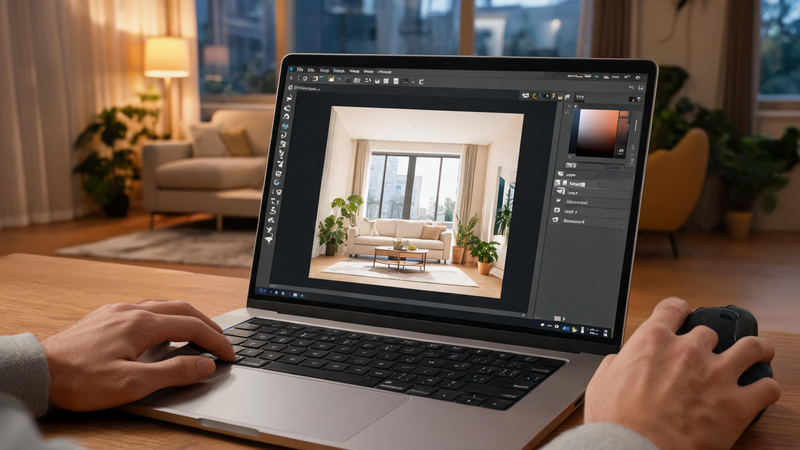
High-quality visuals have become one of the most important factors in real estate marketing. Whether a property is listed for sale or rent, the first impression is almost always made through photos. However, traditional real estate photography often comes with limitations—high production costs, time-consuming editing, and uncontrollable shooting conditions like lighting or weather. As a result, many property listings fail to fully capture buyer attention, even when the space itself has strong potential.
In recent years, AI has started to reshape how real estate images are created and enhanced. From improving raw photos to generating fully styled interiors, AI tools are making it possible to turn ordinary property images into compelling marketing assets within minutes. This shift is not just about convenience—it is fundamentally changing how real estate professionals present and sell properties in an increasingly visual-first market.

The Challenges of Traditional Real Estate Photography
Traditional real estate photography is essential for property marketing, but it is often expensive, slow, and difficult to scale.
High Cost & Time-Consuming Process
- Requires professional photographers and equipment
- Includes on-site shooting and manual editing
- Difficult to manage across multiple listings
Unstable Shooting Conditions
- Weather and lighting are unpredictable
- Scheduling can delay production
- Poor conditions reduce image quality
Limited Visual Impact
- Empty rooms look cold and lifeless
- Clutter reduces visual appeal
- Hard to highlight property potential
How AI Is Changing Real Estate Photo Editing
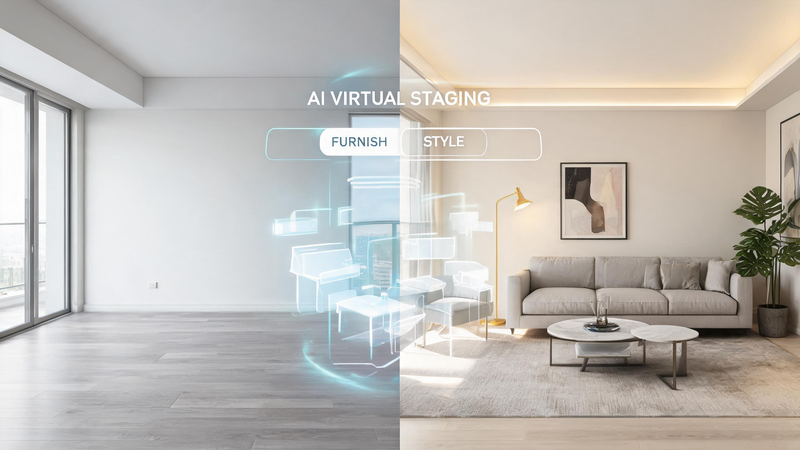
Artificial intelligence is rapidly transforming real estate photo editing by shifting the process from manual, time-consuming adjustments to automated, scalable workflows. Instead of relying solely on photographers and editors, real estate professionals can now enhance, redesign, and even generate property visuals using AI-powered tools.
One of the key advantages of AI is its ability to handle multiple stages of the editing process. It can remove unwanted objects, adjust lighting conditions, generate realistic furniture layouts, and even create entirely new visual scenes based on simple text prompts. This turns what was once a fragmented workflow into a unified, efficient system.
More importantly, AI enables a higher level of consistency and speed. Property images that once took hours or days to process can now be enhanced within minutes, making it easier for agents to publish listings faster and maintain a steady flow of marketing content.
As a result, AI is no longer just a supporting tool—it is becoming a core part of modern real estate marketing, helping professionals create more engaging, visually appealing listings that better capture buyer attention.
AI Home Designer for Virtual Staging
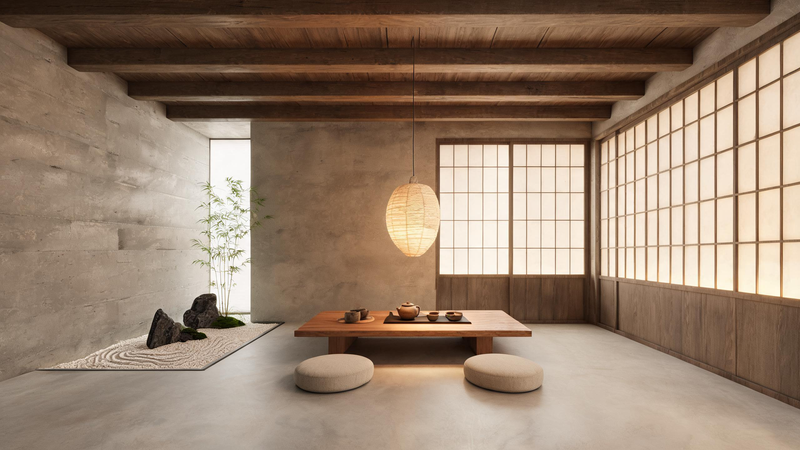
One of the most impactful applications of AI in real estate photo editing is virtual staging through AI home design tools. Empty rooms are common in property listings, but they often fail to help buyers visualize how a space can actually be used. AI home designers solve this problem by transforming bare interiors into fully furnished, realistically styled living spaces.
These tools analyze the structure and layout of a room and automatically generate suitable furniture, decorations, and interior arrangements. Within seconds, a simple empty room can be turned into a modern living area, bedroom, or office that feels warm and inviting.
This approach is especially valuable for real estate agents, developers, and landlords who want to present properties in a more appealing way without investing in physical staging. It significantly reduces costs while improving the emotional impact of listing photos, helping potential buyers connect with the space more easily and imagine themselves living there.
AI Object Remover for Clean Property Photos
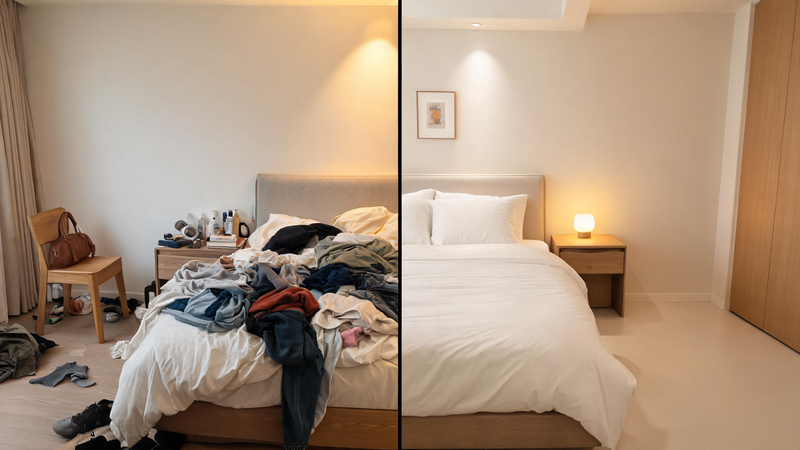
Even professionally captured real estate photos often contain small distractions that reduce their overall quality. Items such as personal belongings, pets, cables, or random clutter can draw attention away from the property itself. AI object removal tools address this issue by intelligently detecting and removing unwanted elements from images while preserving the natural look of the environment.
Instead of requiring manual editing or expensive retouching work, users can simply highlight or select objects they want to remove. The AI then reconstructs the background seamlessly, ensuring that the edited image remains realistic and visually consistent.
This is particularly useful in real estate marketing, where clean and distraction-free images help buyers focus on the structure, layout, and potential of the property. By eliminating unnecessary visual noise, AI object removal improves clarity and makes listings more professional, without the need for reshoots or complex editing workflows.
AI Image Generator for Real Estate Marketing Visuals
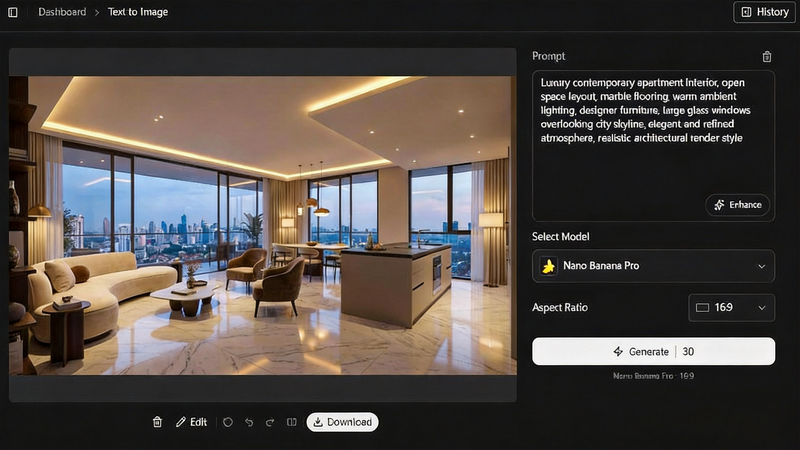
In some cases, traditional property photos may not be enough to fully communicate a space’s potential, especially when marketing off-plan developments or properties that are still under renovation. AI image generation tools provide a new way to create realistic and visually appealing real estate scenes from simple text prompts.
With these tools, users can generate fully designed interior or exterior property visuals without needing a physical shoot. By describing a space—such as a modern apartment living room, a luxury kitchen, or a minimalist bedroom—the AI can produce high-quality images that reflect a desired style and atmosphere.
This is particularly useful for real estate marketing teams who need conceptual visuals for advertising campaigns, brochures, or listings that highlight future possibilities. It allows them to present idealized versions of properties, helping buyers better understand the potential of a space even before it is completed or furnished.
AI Style Transfer for Lighting and Atmosphere Enhancement
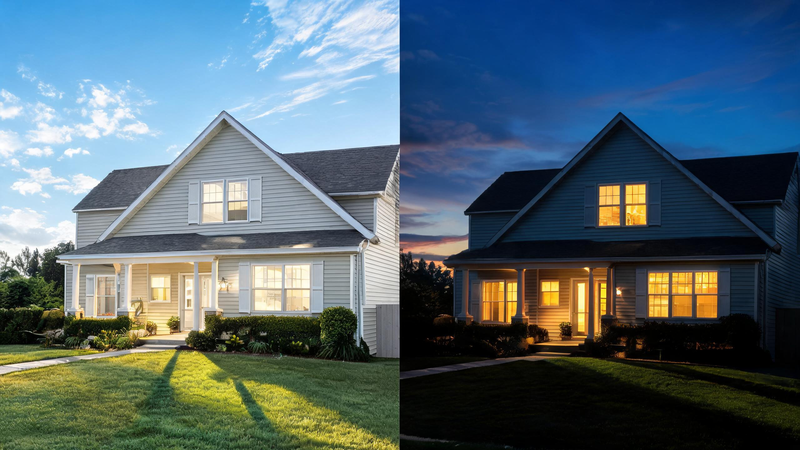
Lighting and atmosphere play a crucial role in how a property is perceived, often influencing a buyer’s emotional response more than the physical space itself. AI style transfer tools allow real estate images to be transformed by adjusting lighting conditions, moods, and overall visual tone without reshooting the property.
For example, a standard daytime exterior photo can be converted into a warm sunset scene, or an indoor shot with flat lighting can be enhanced to appear more vibrant and inviting. These transformations help create a more emotional and premium visual experience, which is especially important in competitive property markets.
AI style transfer is widely used to improve storytelling in real estate listings. By adjusting the mood of an image, it becomes easier to highlight lifestyle appeal, emphasize luxury, or create a more aspirational feeling around a property. This makes listings more engaging and increases the likelihood of capturing buyer interest at first glance.
The Complete AI Real Estate Photo Editing Workflow
While each AI tool brings value on its own, the real transformation happens when they are combined into a complete real estate photo editing workflow. Instead of treating editing as separate, manual steps, AI enables a streamlined process that turns raw property photos into polished marketing assets in just a few stages.
The workflow typically begins with cleaning the image. AI object removal tools are used first to eliminate distractions such as clutter, personal items, or unwanted objects, ensuring the base image is clean and focused on the property itself.
Next comes visual enhancement and scene building. AI home designers can transform empty rooms into fully furnished interiors, while AI image generation tools can be used to create additional marketing visuals or concept-based property scenes when needed. This stage helps establish a strong visual foundation that highlights the property’s potential.
Finally, the image is refined through lighting and atmosphere adjustments. AI style transfer tools allow users to modify the mood of the photo—such as changing daytime shots into evening scenes or enhancing lighting to create a more premium feel.
Together, these steps form a unified AI-powered pipeline that significantly reduces manual effort while producing consistent, high-quality real estate visuals ready for listing and marketing.
Benefits of AI Real Estate Photo Editing
Cost Efficiency
One of the most immediate advantages of AI-powered editing is the significant reduction in production costs.
- Eliminates the need for expensive physical staging
- Reduces reliance on professional photo retouching services
- Minimizes repeated on-site photo shoots
By automating these steps, real estate professionals can produce high-quality listing visuals at a fraction of the traditional cost while maintaining professional standards.
Faster Content Production
AI dramatically accelerates the real estate photo editing workflow.
- Editing tasks that once took hours or days can now be completed in minutes
- Listings can be prepared and published much faster
- Enables quicker response to market demand and property availability
This speed advantage is especially valuable in competitive markets, where timing can directly influence visibility and buyer interest.
Improved Listing Performance
Better visuals directly translate into stronger marketing results.
- Higher click-through rates on property listings
- Increased viewer engagement and time spent on listings
- More inquiries and higher conversion potential from potential buyers
Whether through virtual staging, object removal, or lighting enhancement, AI helps create more attractive and emotionally engaging property visuals.
Summary
AI is becoming an essential part of modern real estate marketing, especially in photo editing. What started as basic enhancement tools is now evolving into a complete visual system that can clean, redesign, generate, and optimize property images with minimal effort.
In the near future, AI will go beyond editing individual photos and help automate the entire workflow—from suggesting staging styles to creating full marketing visuals tailored to different audiences. This will make real estate marketing faster, more efficient, and more personalized.
For real estate professionals, adopting AI tools is quickly becoming a necessity to stay competitive, reduce costs, and improve listing quality.