AI Image Editing and Data Privacy: What Every User Should Know
AI image editing has made photo enhancement faster and more accessible than ever. Understanding how AI platforms handle your data, along with adopting simple security habits, can help you enjoy these powerful tools without compromising your privacy.
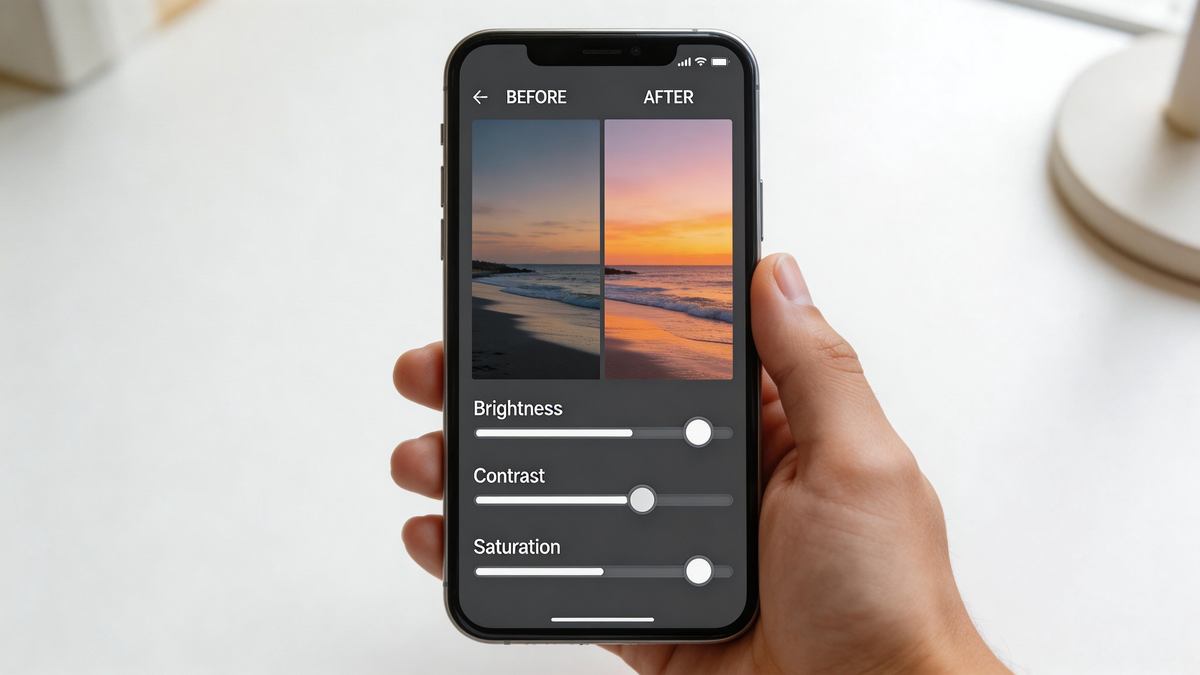
AI has completely changed how we mess with photos. What used to take great skills and expensive software now gets done in seconds. Fix old family pictures, remove weird objects, change backgrounds, or sharpen low-res shots, it all feels almost too easy now.
But here's the thing nobody really talks about enough: every time you upload a picture to one of these online AI platforms, you're sending more than just pixels. You're potentially handing over personal stuff, location data, faces, sensitive documents, you name it. As these tools blow up in popularity, knowing how they handle your data is just as crucial as the cool editing tricks they offer.
I put together this guide to walk through the connection between AI image editing and privacy concerns. We'll cover the risks worth watching out for and some straightforward ways to keep your info safe while still playing around with the tech.
Why Data Privacy Matters in AI Image Editing
Most of these AI editors run on the cloud. You upload your photo, it zips off to some remote server, the AI does its thing, and then the edited version comes back. Super convenient because you don't need a beast of a computer, but it does open up some real questions about what happens to your images once they're out of your hands.
People are uploading everything, vacation snaps with the kids, work graphics, even ID cards or client materials, without always thinking twice. It’s easy to get caught up in the fun of it.
Getting a clearer picture of where your files go can help you pick services you actually feel good about using.
What Information Can an Uploaded Image Reveal?
Photos aren't clean. They often carry hidden details like GPS coordinates from where you took them, what phone you used, the exact time, and facial recognition data. Sometimes there's paperwork or signs in the background that give away way more than you want.
Even a boring shot of your desk or a street view can paint a picture of your life. Quick tip, I always tell people: strip the metadata before uploading. Takes like ten seconds with free tools, and it's one less thing to worry about.
Common Security Risks When Using AI Image Editors
Don’t get me wrong, the bigger reputable platforms do put effort into security. But there are still real risks with any online service.
Some of the biggest ones I worry about include data retention, a lot of them keep your uploads around for a bit to “improve” their models or fix issues. You gotta read the privacy policy to see what they actually do.
Then there’s unauthorized access. If your account gets hacked because of a weak password, all those images are suddenly exposed. Turning on multi-factor authentication helps a ton here.
Public Wi-Fi is another sneaky one. Uploading sensitive stuff while sitting at a café or airport can leave you open to people snooping. And phishing attacks pretending to be from these AI companies are getting pretty common, fake emails, fake login pages, the works. Always double-check before you click anything.
Best Practices for Protecting Your Privacy
Using AI image editing tools safely does not require advanced technical knowledge. A few consistent habits can greatly improve online security.
Review Privacy Policies
Before creating an account, spend a few minutes reviewing how the platform stores, processes, and deletes uploaded files.
Transparent companies clearly explain what happens to user data and provide options for managing privacy settings.
Upload Only What Is Necessary
Avoid uploading documents or images containing unnecessary personal information whenever possible.
If that information is already showing up on people-search sites or data broker databases, a data removal service can help reduce how easily others can find it.
If sensitive details appear in a photo, consider removing or masking them before using AI editing services.
Use Strong Account Security
Every AI platform should have its own unique password.
Password managers make it easier to generate and store strong credentials while reducing the temptation to reuse passwords across multiple services.
Protect Your Internet Connection
Many people edit images while traveling, working from cafés, airports, hotels, or shared workspaces. Public internet connections are convenient but are not always secure.
Using encrypted connections helps reduce the risk of unauthorized monitoring when uploading files or accessing creative accounts.
Resources published through VPNOverview provide practical information about VPN services, online privacy, and internet security. VPNOverview.com testing evaluates different privacy tools and helps users better understand which security solutions fit various browsing and remote-working needs.
Learning how encrypted connections work allows creators and everyday users alike to make smarter decisions when handling sensitive files online.
Keeping AI Creativity Secure
AI continues to unlock exciting creative possibilities, but security should remain part of every editing workflow.
Simple habits such as updating software, enabling two-factor authentication, reviewing account permissions, and monitoring connected devices significantly reduce cybersecurity risks.
VPNOverview also regularly shares educational resources covering cybersecurity best practices, secure browsing, data privacy, and emerging online threats. Staying informed allows users to adapt their security practices as AI technologies continue to evolve.
Building privacy awareness alongside creative skills ensures that innovation does not come at the expense of personal security.
Looking Ahead
Artificial intelligence will continue to reshape digital creativity. Future image editing tools will likely become even more intelligent, automated, and integrated into everyday workflows.
As these technologies advance, users should expect privacy and security to become increasingly important factors when choosing AI platforms. Companies that prioritize transparency, responsible data handling, and strong cybersecurity practices are likely to earn greater trust from users.
Understanding how AI services manage personal information today prepares users for the evolving digital landscape of tomorrow.
Conclusion
AI image editing has made creative work quicker, simpler, and available to pretty much anyone. At the same time, it’s brought up real questions about privacy, cloud storage, and how companies handle what we give them.
By knowing what your images actually contain, picking trustworthy tools, locking down your accounts, and following some basic smart practices, you can enjoy the benefits without taking stupid risks.
As this technology keeps growing, keeping good security habits might be one of the smartest things any of us can do. It’s not about being scared of the tools, it’s about using them wisely so the fun doesn’t turn into a problem later.